Built Around Construction Timelines, Not Single Deliveries
A construction project rarely generates debris all at once. Framing waste shows up early. Drywall and finish material come later. Demolition debris arrives in heavy bursts depending on the phase. We plan construction deliveries around that reality, coordinating swap outs as the job progresses instead of dropping one container and hoping it lasts the whole build. Our staff stays friendly and easy to work with throughout, with quick response times when your schedule shifts mid-project.
Site access matters just as much as scheduling. We ask about staging areas, other trades working the site, and whether inspections or pours are scheduled around the delivery window. That way the roll off dumpster ends up somewhere that keeps the site moving rather than blocking it. Communication stays direct from the first call through the final pickup, so you’re never left guessing about timing.
Construction Projects We Support
New construction and framing
Ongoing debris removal as a build progresses, with container size matched to the current phase of work.
Demolition
Heavy debris from teardown work, sized for weight rather than just volume.
Foundation and site prep
Dirt, concrete, and excavation debris, which often needs a dedicated container due to weight limits.
Multi-phase commercial builds
Recurring swap outs scheduled across weeks or months rather than a single delivery and pickup.
Dumpster Sizes for Construction Sites
20 yard dumpster
Fits smaller construction jobs, light demolition, or a single-phase build.
30 yard dumpster
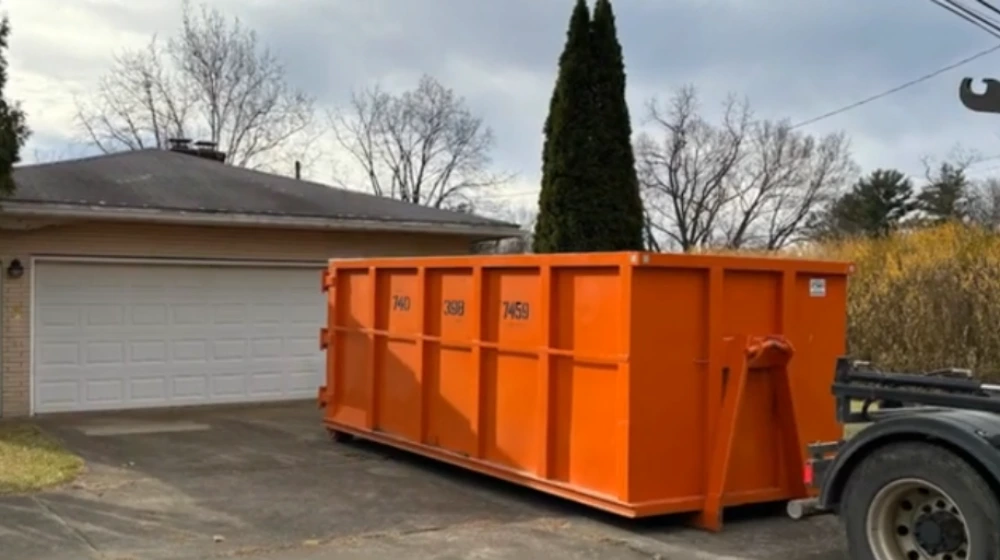
Handles larger construction debris and bigger demolition jobs. Needs more space for placement, so site access gets confirmed before delivery.
40 yard dumpster
Our largest option, built for major construction, large-scale demolition, and multi-phase builds where debris volume is highest.
Construction debris varies more in weight than most other project types. Framing lumber and drywall are relatively light for their volume. Concrete, brick, and dirt are dense and can hit a weight limit fast. Mention your material mix when booking. That helps us recommend the right size instead of guessing based on square footage alone.
Working Around Active Site Condition
Construction sites change day to day in ways a typical residential delivery doesn’t have to account for. We coordinate placement around other trades on site, equipment staging, and material deliveries. We can also adjust pickup timing around inspections or pours when the schedule requires it. If your site has limited access or narrow entry points, mention that upfront. It helps us plan the right approach before the truck arrives, with easy pickup and drop off every time. Whether it’s a full demolition job or a smaller junk removal task tied to site cleanup, a friendly, personable point of contact handles the scheduling from start to finish.
Swap Outs for Ongoing Job Sites
Most construction jobs generate debris continuously rather than in one batch. Instead of committing to a single oversized container for the whole project, many job sites use a smaller container with scheduled swap outs. We deliver an empty one and haul the full one away, timed around whatever phase of work is underway. This keeps a site from getting cluttered with debris from an earlier phase while later work is still in progress. It also avoids paying for space that sits unused early in a build.
What’s Allowed in a Construction Dumpster
Most construction debris is accepted, including framing lumber, drywall, roofing material, and general job site waste. Materials that need special handling due to weight include dirt, brick, and concrete. These count toward your weight limit quickly even in smaller quantities. Materials that aren’t allowed at all include tires, batteries, paint and other liquids, appliances with refrigerant, and hazardous or chemical waste.
Do Construction Dumpsters Need a Permit?
Placement on a private job site typically doesn’t require a permit. If a container needs to sit on a public street or right of way, a city permit may apply, and requirements can vary depending on which part of Comanche County the site is in.