Why Roofing Debris Needs Different Planning
Most renovation debris gets judged by volume: how much space it takes up in a container. Roofing debris flips that. Asphalt shingles are dense. A relatively small pile can weigh far more than the same volume of drywall or furniture. Weight becomes the main factor in sizing a roofing dumpster, more than it does for a typical remodel.
A driveway that looks maybe a third full of old shingles can already be near its weight limit. Someone judging fullness by eye alone, the way they might for a garage cleanout, can badly underestimate how close a roofing load actually is to capacity.
How Many Layers Are Coming Off?
One layer of shingles is manageable in most standard sizes. Two or three layers multiplies the weight significantly. This is common when previous roofing jobs were installed over existing shingles instead of tearing them off first. Before booking, it helps to know how many layers are actually coming off the roof. That number changes the size recommendation more than square footage does.
Underlayment, felt paper, and sometimes damaged decking boards add to the load too. This happens especially if the tear-off uncovers water damage or rot that wasn’t visible before work started.
Dumpster Sizes for Roofing Projects
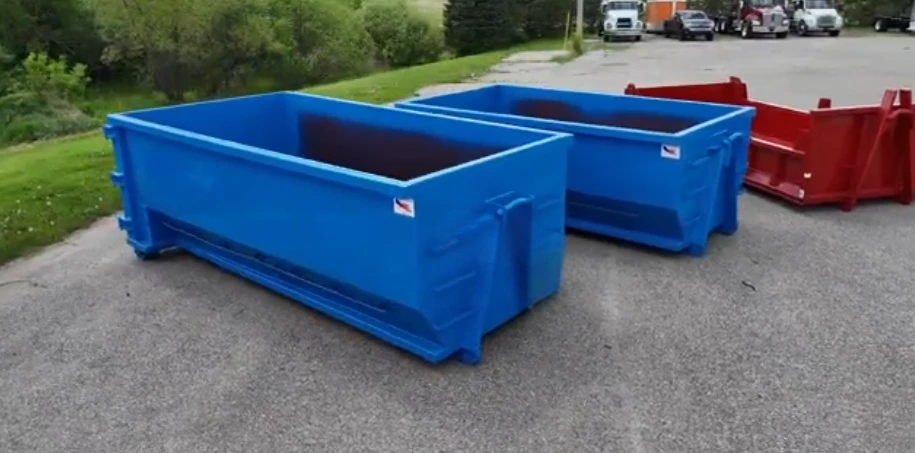
15 to 20 yard dumpster
Covers a single layer tear-off on an average size home. This is our most common recommendation for a standard residential re-roof.
20 to 30 yard dumpster
Fits multiple layers, a larger roof, or a project that includes some decking replacement. Weight is the limiting factor here more than space.
30 yard dumpster and larger
For commercial roofing jobs, multi-building projects, or major tear-offs with several layers and significant decking work.
Because weight matters more than volume for roofing debris, mentioning the number of layers and general roof size when you book helps us recommend the right container instead of sizing based on square footage alone.
Protecting Your Driveway
A loaded roofing dumpster is heavier than most other residential loads. That makes driveway protection worth planning for, especially on older concrete or asphalt driveways. We can place boards or plywood under the container’s contact points to reduce the risk of cracking or indentation. This matters most during hot weather, when asphalt driveways are softer.
Timing Delivery Around Your Roofing Project
Roofing work often moves fast once it starts, sometimes finishing in a single day for a smaller home. We can coordinate delivery for the morning of the tear-off rather than days in advance. That keeps the container from sitting empty and taking up driveway space before it’s needed. For larger jobs spanning more than a day, we’ll confirm pickup timing so a full dumpster doesn’t sit blocking the driveway overnight.
Do I Need a Permit for a Roofing Dumpster?
Placement on your own driveway typically doesn’t require a permit. If the container needs to sit on a public street, a city permit may apply, and rules can vary depending on which part of Comanche County you’re in.
What’s Allowed in a Roofing Dumpster
Standard shingle tear-off debris is accepted, along with underlayment, felt paper, and typical decking material. A few things need special handling because of weight: dirt, brick, and concrete debris count toward your limit fast if they’re part of the same load. Materials that aren’t allowed at all include tires, batteries, paint and other liquids, appliances with refrigerant, and hazardous or chemical waste. Old gutters, damaged flashing, or material with visible mold sometimes need separate handling depending on condition. If you’re comparing dumpster rental Lawton OK options for a roofing job specifically, flagging anything unusual like this when you book makes the whole process smoother.